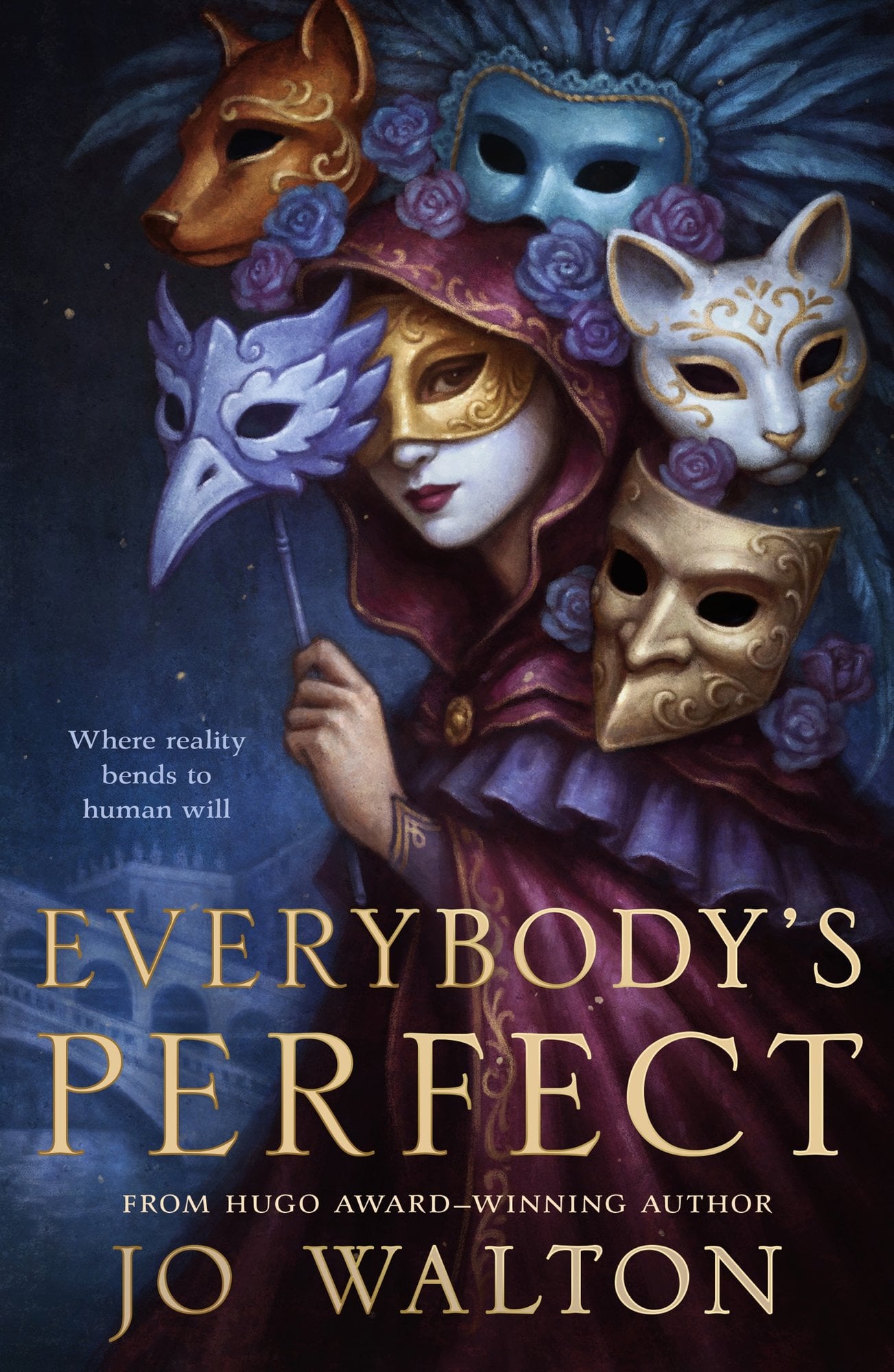
Review: “Everybody’s Perfect”
, pub. , pp
I can’tlie, this book definitelyhad a rough start. It wasn’t exactly a page turner, but I read that the author generally has some pretty dense prose, and was a recipient of a Hugo award, so I put my personal taste aside and dug in.
Every chapter is told through a point of view an entirely different character. I would be more into that if the first 50 pages had a plot point or two, but no. We dont even get a taste of plot until around pages in. But read on. And Im glad I did. You see, time in the Serenissima (the mythical realm in which the story takes place) is a mystery, and time progresses through an exchange of each character’s point of view.
It’s an interesting way of telling a story: communal. But a few personal encounters are more riveting than others and I found myself wanting more from particular characters rather than backtracking through a new pov. Im not saying that the story is retold through chapters. The author definitely moves the plot along chapter to chapter (eventually), but it always feels like a bit of a reset.
All-in-all, the story telling works in the end. The novel’s themes include overcoming social plight as an unwanted community and demanding answers from the gods. Each account wholly aids in pointing them out, especially since each chapter is told in a completely different voice. The author does an incredible job differentiating between each unique voice and even prefaced each chapter with tarot like qualities that represent the owner of the story.
I still recommend the book despite my negative criticisms, especially to those that need a little hope during a time where overcoming adversity as a community has become essential in a world riddled with adversity. “Everybody’s Perfect” tells the story of a melting pot in a world between worlds.
More Like This
The Pools, by E. Lockhart
The Pools is a story of transformation, young love (which is transformation in itself), and letting go. It’s one of the most beautiful books I’ve read in years.
“Bone Brides
by Marley Rose-Teter Part coming-of-age, part dark fantasy, Marley Rose-Teter places the reader and her two young protagonists in a Fae City below a lake. Our 2 main protagonists are young lovers that haven’t been given quite a fair start in the world. Unfortunately, they do not fair as well in the fairy either. There […]
Everything was Beautiful and Nothing Hurt
I thought long and hard about how to review this book other than saying it’s one of the most thoughtful, gorgeous books I’ve ever read. I remember being young, perhaps 12-13 years old, and reading Jonathan Livingston Seagull for the first time and being blown away. It was like that experience again; the only word […]
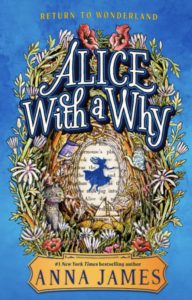
Alice With a Why, by Anna James
Highly recommended for middle reader through YA and certainly adults who enjoy a clever fairytale and loved the original Wonderland.

Review: “Tailored Realities” -Brandon Sanderson
By Nick Osgood TBH, after reading the Stormwind Archive, I couldn’t have possibly imagined Mr. Sanderson writing a short story, let alone an anthology of short stories. I mean, the shortest book in the Stormlight series was a meaty one-thousand pages. “There’s no way he can fit his masterful world-building into just a chapter or […]
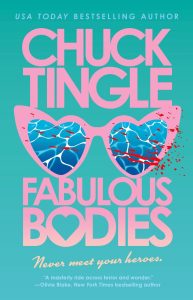
Review: “Fabulous Bodies”
Ok, I really liked “Camp Damascus”, but this book is wild in comparison. It’s a gore-soaked van ride, which is definitely not what I expected. “Camp Damascus” was so tame in comparison. I told the owner of the shop’s husband that the antagonist of the book is ‘like a zombie Elton John’. He responded with, […]
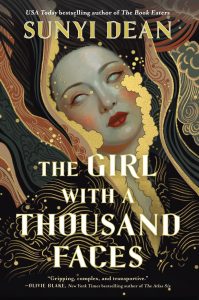
REVIEW: “The Girl with a Thousand Faces”
This book takes place within the walled city of Kowloon in post WWII Chine; a city where the ghosts of its inhabitants still reside and many of which hold a grudge toward the living. The story is backed by history, but jam packed with the supernatural, treachery, and heroism. The protagonist is an exorcist for […]
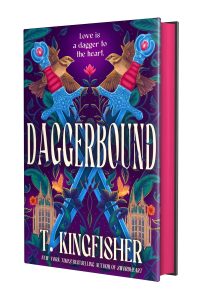
Daggerbound
by T. Kingfisher Tor Books August 2026 For another book I might give a warning that the title is the second in a series. Daggerbound comes with no such warning. It works as a terrifically engaging story, and it is only as it ends that I discovered there was a prior story, called Swordheart, which […]
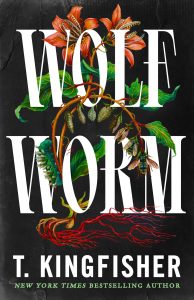
REVIEW: “Wolf Worm”
The last T. Kingfisher novel I read was Snake-eater. Wolf Worm was a gorefest in comparison, and still, somehow, a comfortable read despite dropping us off into a forest of bot fly infested rodents and devilish “blood thieves”. She really is a master of cozy horror. While the stakes are often high, the reader has […]
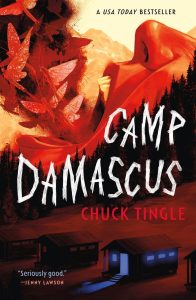
Review: Camp Damascus
by Chuck Tingle There’s a conversion camp nestled in the wilderness near a Christian community in the mountains of middle America, and its employees aren’t quite locals. They’re demons adorned in red polos, khakis and name tags and they’ve been employed by the church to keep the queers in line and on the straight and […]

The Ruins Beneath Us by Sasha E. Sloan: Review
The Ruins Beneath Us is one of those fantasy stories that feels less concerned with grand battles and more interested in the quiet tension of secrets–who’s hiding them, who might discover them, and what happens when they finally surface. At the center of the story is Lyria, an elf raised in isolation and taught that […]

Your Behavior Will Be Monitored: Justin Feinstein (Review)
our Behavior Will Be Monitored by Justin Feinstein is an unsettling meditation on surveillance, control, and the subtle ways modern systems shape human behavior. Grounded in psychological tension and speculative unease, the novel feels timely and uncomfortably close to our current reality. While the themes are compelling, I wasn’t entirely sold on the execution. The […]